Introduction!
Pregnancy is one of the most beautiful phases in a woman’s life. Along with happiness and excitement, it also brings physical, emotional, and hormonal changes. During these nine months, maintaining good health becomes the top priority for both the mother and the growing baby. One of the safest and most effective ways to stay healthy during pregnancy is Yoga for Pregnant Women.
Pregnancy Yoga is specially designed to support the body during each trimester. It combines gentle stretching, breathing exercises, relaxation techniques, and meditation to improve flexibility, reduce stress, strengthen muscles, and prepare the body for childbirth.
Whether you are a beginner or have practiced yoga before, Yoga for Pregnant Women can be adapted to suit your stage of pregnancy. However, it is always recommended to consult your healthcare provider before beginning any exercise routine.
What is Pregnancy Yoga?
Pregnancy Yoga, also known as prenatal yoga, is a modified form of yoga specially created for expecting mothers. Unlike traditional yoga, prenatal yoga avoids poses that place pressure on the abdomen or increase the risk of falling.
The primary goals of Yoga for Pregnant Women are:
- Improve flexibility
- Reduce pregnancy discomfort
- Strengthen pelvic muscles
- Improve posture
- Increase stamina
- Prepare for labor
- Promote emotional well-being
- Improve breathing techniques
Pregnancy yoga focuses on keeping both mother and baby healthy throughout every stage of pregnancy.
Benefits of Yoga for Pregnant Women
1. Reduces Pregnancy Stress
Pregnancy often comes with emotional ups and downs. Yoga helps calm the nervous system through controlled breathing and meditation. Regular practice reduces anxiety, improves mood, and promotes relaxation.
2. Improves Flexibility
As pregnancy progresses, muscles and joints experience increased pressure. Pregnancy yoga gently stretches the body, helping maintain flexibility without causing strain.
3. Strengthens Pelvic Muscles
Strong pelvic muscles make labor easier and improve recovery after childbirth. Many prenatal yoga poses specifically target the pelvic floor.
4. Relieves Back Pain
Back pain is one of the most common pregnancy complaints. Yoga strengthens the spine, hips, and lower back while improving posture.
5. Better Sleep
Hormonal changes often affect sleep quality. Practicing yoga before bedtime relaxes the mind and body, helping pregnant women enjoy deeper sleep.
6. Improves Blood Circulation
Gentle stretching encourages healthy blood circulation, reducing swelling in the legs and feet while providing more oxygen to the baby.
7. Supports Healthy Weight
Regular pregnancy yoga helps maintain healthy weight gain throughout pregnancy while improving metabolism.
8. Enhances Breathing
Breathing exercises improve lung capacity and teach breathing techniques that become extremely helpful during labor and delivery.
Best Yoga Poses for Pregnant Women
Cat-Cow Stretch
This gentle movement helps relieve lower back pain while improving spinal flexibility.
Benefits:
- Reduces back pain
- Improves posture
- Increases spinal mobility
Butterfly Pose (Baddha Konasana)
A wonderful pose for opening the hips and improving pelvic flexibility.
Benefits:
- Strengthens inner thighs
- Opens hips
- Prepares the body for childbirth
Child’s Pose (Modified)
This relaxing pose stretches the back and helps reduce stress.
Benefits:
- Relaxes the body
- Reduces fatigue
- Improves breathing
Mountain Pose
A simple standing pose that improves posture and balance.
Benefits:
- Strengthens legs
- Improves body alignment
- Increases confidence
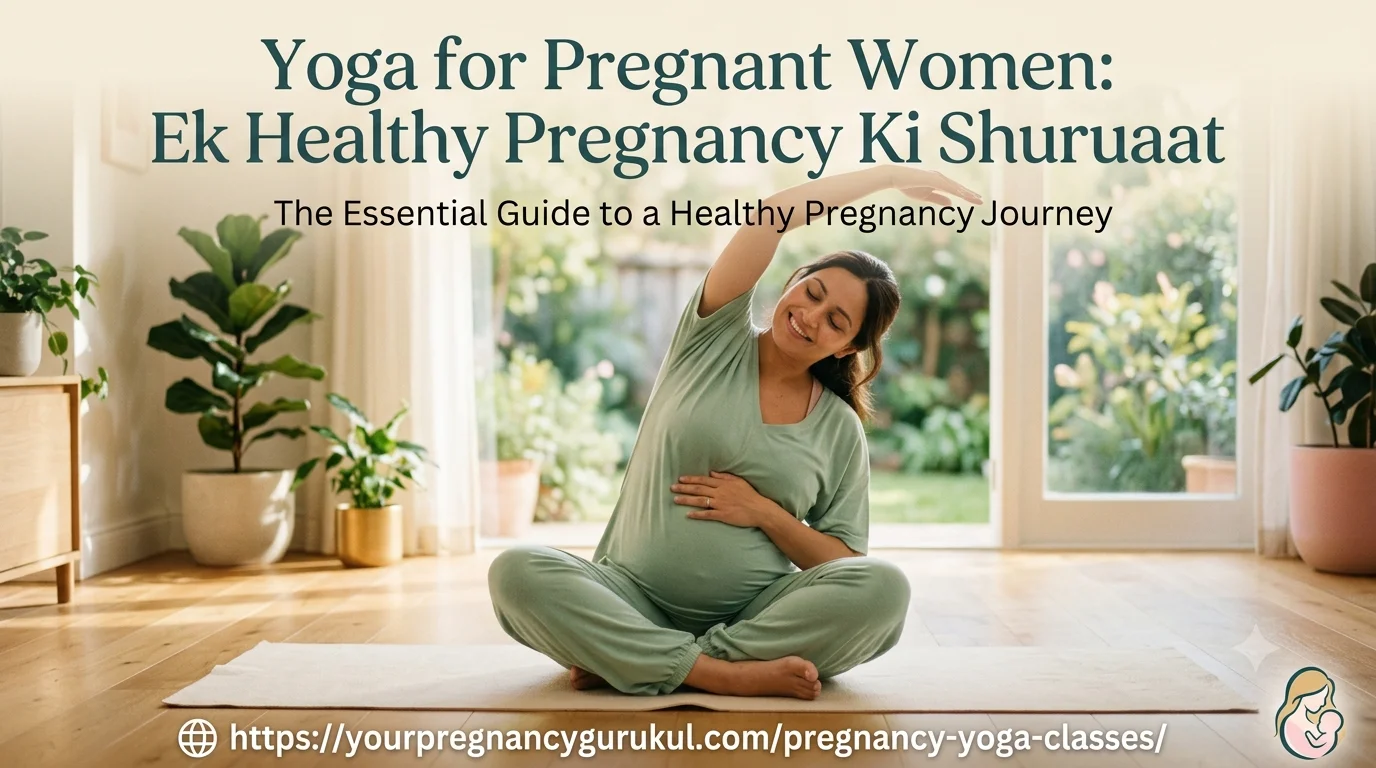
Side Stretch
Gentle side stretches create more space for the growing baby and improve flexibility.
Benefits:
- Relieves rib discomfort
- Improves flexibility
- Reduces stiffness
Warrior II (Modified)
A safe standing posture that strengthens the lower body.
Benefits:
- Builds stamina
- Improves balance
- Strengthens thighs
Breathing Exercises During Pregnancy
Breathing techniques are one of the most important parts of Pregnancy Yoga.
Deep Belly Breathing
- Sit comfortably.
- Place your hands on your belly.
- Inhale slowly through your nose.
- Exhale gently through your mouth.
Repeat for 5–10 minutes.
Alternate Nostril Breathing
This calming practice helps reduce stress and improve focus. Perform it gently without holding your breath.
Ocean Breathing (Ujjayi)
A slow, controlled breathing technique that promotes relaxation and prepares the body for labor.
Pregnancy Yoga by Trimester
First Trimester
During the first trimester, fatigue and nausea are common. Focus on gentle stretching, breathing, and relaxation. Avoid overheating and intense yoga sessions.
Second Trimester
This is often the most comfortable stage of pregnancy. Continue practicing modified standing poses, hip-opening exercises, and pelvic floor strengthening while avoiding lying flat on your back for extended periods.
Third Trimester
As the baby grows, balance becomes more challenging. Use support from a wall or chair, practice gentle movements, breathing exercises, and relaxation techniques that prepare you for labor.
Safety Tips for Yoga for Pregnant Women
- Always consult your doctor before starting pregnancy yoga.
- Practice under the guidance of a certified prenatal yoga instructor.
- Avoid deep twists, intense backbends, and poses that compress the abdomen.
- Stay hydrated before and after your session.
- Stop immediately if you feel dizziness, pain, bleeding, or contractions.
- Wear comfortable clothing and use a yoga mat with good grip.
- Never force your body into any pose.
- Listen to your body and rest whenever needed.
Common Mistakes to Avoid
Many expecting mothers unknowingly make mistakes while practicing yoga.
Avoid these common errors:
- Holding your breath during poses
- Practicing advanced yoga without guidance
- Ignoring pain or discomfort
- Overstretching due to increased flexibility during pregnancy
- Skipping warm-up and cool-down sessions
- Practicing on slippery surfaces
- Exercising when feeling exhausted
Why Choose Pregnancy Yoga?
Pregnancy yoga is more than just exercise. It supports your physical health, emotional balance, and mental well-being while creating a deeper connection with your growing baby. With regular practice, many women experience reduced stress, improved flexibility, better sleep, easier breathing, and increased confidence as they prepare for childbirth.
Conclusion
Yoga for Pregnant Women is one of the safest and most beneficial ways to stay active during pregnancy when practiced correctly. It helps improve strength, flexibility, posture, circulation, and emotional well-being while preparing the body for labor and delivery.
Adding Pregnancy Yoga to your daily routine can contribute to a healthier pregnancy and a more positive birth experience. Always practice under professional guidance and follow your healthcare provider’s advice to ensure the safety of both mother and baby.
Frequently Asked Questions (FAQs)
1. Is yoga safe during pregnancy?
Yes. Most women can safely practice pregnancy yoga after consulting their healthcare provider and following guidance from a qualified prenatal yoga instructor.
2. When should I start pregnancy yoga?
Many women begin after the first trimester, but the right time depends on your health and your doctor’s recommendation.
3. Can beginners do yoga for pregnant women?
Absolutely. Prenatal yoga classes are designed for beginners and include gentle, pregnancy-safe movements.
4. How often should I practice pregnancy yoga?
Practicing 3–5 times per week for 20–45 minutes is generally beneficial, depending on your comfort level and medical advice.
5. Which yoga poses should pregnant women avoid?
Avoid deep twists, intense backbends, lying flat on your back for long periods after the first trimester, hot yoga, and poses with a high risk of falling.
6. Does pregnancy yoga help with normal delivery?
While it cannot guarantee a specific type of delivery, pregnancy yoga can improve strength, flexibility, breathing, and relaxation, which may help during labor.
7. Can pregnancy yoga reduce back pain?
Yes. Gentle stretching and strengthening exercises can help relieve common pregnancy-related back pain.
8. Is breathing practice important in pregnancy yoga?
Yes. Controlled breathing supports relaxation, improves oxygen flow, and can be useful during labor.
9. Can I practice yoga every day during pregnancy?
If your healthcare provider approves and you feel comfortable, gentle daily practice is often appropriate.
10. What should I wear for pregnancy yoga?
Wear loose, breathable clothing that allows free movement and provides comfort throughout your practice.