
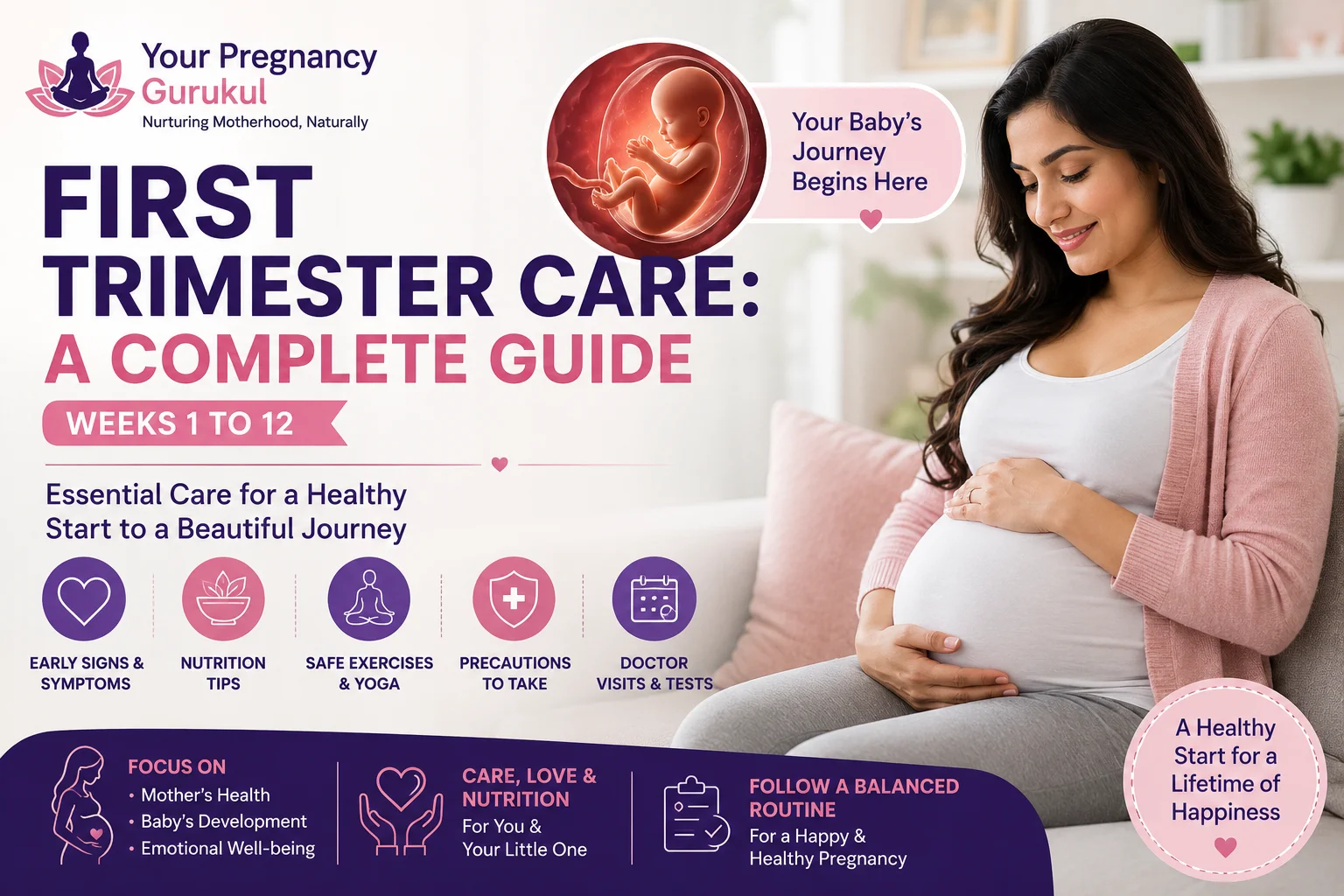
First Trimester Care Pregnant women often go through many different feelings, but the most popular way to describe their experience as they bring new life into the world is “beauty.” A remarkable part of development happens in the first trimester. During this time, the major organ systems develop. A first trimester pregnancy care program will make sure both the mother is healthy and that the pregnancy goes well.
In the initial weeks of pregnancy, you will have many differing emotions, excitement or anxiety, along with physical adaptations to your body that you can adjust to and prepare for, resulting in achieving a healthier and happier pregnancy.. “A confident mother is one who has the knowledge she needs.” With the help of our team of expert professionals and holistic educators, you will receive the necessary support through each stage of your pregnancy.
Understanding the First Trimester
The first trimester starts on the day of your period and it lasts until the end of week 12.
During the trimester the fertilized egg grows into a first trimester embryo. Then it becomes a trimester fetus.
- The babys brain and spinal cord start to form during the trimester.
- The heart and circulatory system of the baby also begin to develop during the trimester.
- The babys arms and legs and fingers and toes start to grow during the trimester.
- The babys face starts to take shape during the trimester with the formation of features.
- Internal organs of the baby also start to develop during the trimester.
There are many developments occurring within the first trimester so taking care of both yourself and your baby during the first trimester is critical. The health of you and your baby will be primarily dependent upon how well you take care of both yourself and your baby from the time you conceive until you give birth.
From conception to birth will be the most important time for you and your baby and you. So taking great care of both yourself and your baby during this time will be paramount for you and your future child.
Early Pregnancy Symptoms (First Trimester)
The first trimester of pregnancy is a unique experience, but research shows that many women will report the same early-stage symptoms.The vast majority of pregnant women will experience shared early-stage pregnancy symptoms.
. Common examples of early-stage pregnancy symptoms include below:
– Morning Sickness –
While referred to as `Morning Sickness’ these symptoms can happen at any time of the day and there is a large number of pregnant women who experience these symptoms.
– Extreme Tiredness
– Being pregnant can take a huge toll on the body, as it is trying to nourish the growing baby and it is thus common for pregnant women to feel extreme tiredness during the first trimester.
– Tender Breasts
– Due to hormone fluctuations occurring during pregnancy, the breasts will experience tenderness (sensitivity and swelling).
– Increased Urination
- Due to hormonal changes due to pregnancy and the enlarging uterus there is also increased urgency to urinate/using the bathroom by most pregnant women.
- Mood Swings – Due to fluctuations of hormones during pregnancy and between pregnancy and after giving birth, it is very common for pregnant women to experience extreme mood swings (emotional highs/lows).
- Food Cravings or Food Aversion – Many women experience an instantaneous craving for food and then later in their pregnancy, they refuse to eat certain foods.
The Importance of Prenatal Care
When you are pregnant one of the important things you can do is schedule your first prenatal appointment. This is a part of taking care of yourself during the First Trimester.
Prenatal visits are really helpful because they do a lot of things.
- They confirm that you are pregnant
- They check on the development of your baby
- They look for any health risks
- They keep track of your health
- They give you guidance on what to eat
- They let you talk about any concerns you have about your pregnancy
Regular prenatal care is very important. It helps make sure you have a pregnancy. It also helps doctors find any problems on.
Healthy Nutrition During the First Trimester
What you eat is very important when you are pregnant. It helps your baby grow. It helps you stay healthy.
You should eat Folic Acid.
Folic acid is good because it helps prevent problems with your babys brain and spinal cord.
You can find acid in foods like
- Spinach
- Broccoli
- Lentils
- Beans
- Citrus fruits
- Fortified cereals
You should also eat foods that’re high, in protein.
Protein is important because it helps your baby grow.
Some good sources of protein are
- Eggs
- Lean meat
- Fish
- Dairy products
- Nuts
- Legumes
Stay Hydrated
You should drink plenty of water all day long to stay healthy and prevent dehydration. Water is really good for you. It helps your blood circulate properly.
Include Iron-Rich Foods in your diet because Iron-Rich Foods are very important. Iron-Rich Foods help prevent anemia. They support increased blood production. You can find Iron-Rich Foods in these things:
- leafy vegetables
- Dates
- Beans
- meat
- Whole grains
It is also very important to Consume Calcium. Calcium is good for the mother and the baby because it supports bone development for both the mother and the baby. You can find Calcium, in these foods:
- Milk
- Yogurt
- Cheese
- Almonds
- Sesame seeds
When you are pregnant there are some Foods to Avoid During the First Trimester. You should. Avoid these foods because they may pose risks during pregnancy.
One thing to avoid is Raw or Undercooked Foods. You should not eat these things:
- Raw eggs
- Seafood
- Undercooked meat
Hydration is important
For optimal health and prevention of dehydration, drink sufficient amounts of water throughout the duration of daylight hours. Water is beneficial to your overall health and aids circulation within your bloodstream.
A pregnant woman’s daily diet should include foods that contain iron because they greatly help prevent iron deficiency anemia and create a large enough volume of new blood for both the mother and her baby. The following list provides examples of iron containing foods and sources:
- Leafy green vegetables
- Dates
- Beans
- Meats
- Whole grains
Calcium is a key nutrient for both mothers who are pregnant and their unborn children, so they can grow strong bones. Foods that provide calcium include:Calcium can be found in the following types of foods:
- Milk
- Yogurt
- Cheese
- Almonds
- Sesame seeds
In the first trimester of the gestational period there are certain food types that should be avoided which are not safe to consume during pregnancy. Some of these food types carry greater risks when consumed by a mother carrying a developing baby.
One food group to avoid during pregnancy is raw or improperly cooked foods. Some examples of these types of food include:
- Raw eggs
- Seafood
- Undercooked meats
Regular physical activity throughout your pregnancy can increase overall health and enjoyment of your pregnancy experience. Below are some safe exercises to help you stay fit during your first trimester!
Walking
One of the most basic forms of exercise, walking is great way to stay fit.
Prenatal Yoga
This type of exercise promotes flexibility, relaxation, and breath control.
Stretching
This type of exercise will support flexibility in muscles and relieve some discomfort.
Light Strength Training
Light weights can help you maintain muscle tone as long as they are done correctly.
You should talk to your healthcare provider before starting an exercise program.
Morning Sickness Management
There are several ways to effectively manage morning sickness.
Eat Smaller Portions
By eating small portions multiple times a day, you may help decrease nausea.
Avoid Strong Smells
The smell of food may prompt you to feel nauseated.
Drink Plenty of Fluids
Drink small amounts of water (or other fluids) throughout the day.
Keep Healthy Snacks Accessible
Eating plain crackers or other dry snacks can help ease stomach discomfort.
Get Enough Sleep
Feeling tired may make nausea worse.
Emotional and Mental Health
Your mental health is affected by pregnancy as well as your physical health
Use Relaxation Strategies
Using relaxation techniques, such as meditation and breathing exercises, can help reduce your stress level
Reach Out to Others
Having family and friends to support you is essential for your mental wellness
Think Positively
Thinking positively about your pregnancy will positively influence your mental wellness.
Talk to a Professional
If you are struggling with anxiety or depression, please seek assistance from your healthcare provider.
Sleep Tips for the First Trimester
Getting sleep is really important for the health of the mother.
To sleep better you can try a things.
Here are some tips for sleep:
- Maintain a regular sleep schedule
- Use pillows
- Avoid screens before bedtime
- Stay physically active during the day
- Limit caffeine intake
Sleep is very important. The First Trimester sleep is essential for the mother.
Building a Bond with Your Baby
The First Trimester is a time to start building a bond with Your Baby.
You can start talking to Your Baby.
Talk to Your Baby. Speak positively to create a strong emotional bond with Your Baby.
- Listen to music that’s soothing.
- This kind of music helps you relax and feel positive.
- Think about the things you’re grateful, for.
Focusing on the things you’re thankful for can make you feel better emotionally.
You can also try Garbh Sanskar Practices.
Garbh Sanskar practices are techniques that help you think positive thoughts and be mindful and emotionally connected to Your Baby.
Your Pregnancy Gurukul can help you learn more about Garbh Sanskar practices and how to do them every day.
When to Contact Your Healthcare Provider
Call your healthcare provider if you have:
- Heavy bleeding
- Severe abdominal pain
- Continuous vomiting
- A high fever
- Severe dizziness
- Loss of consciousness (fainting)
Getting medical treatment quickly allows for better protection of both the mother and baby.
Mistakes That Are Commonly Made by Women in the First Trimester of Pregnancy
Many women will make common pregnancy mistakes throughout their first trimester. Some mistakes include:
- Skipping prenatal doctor appointments (necessary)
- Ignoring nutritional needs
- Smoking cigarettes (causing harm to mother and baby)
- Drinking alcoholic beverages (also harmful to both)
- Self-medicating with nonprescription medications
- Allowing stress to build up
- Not getting enough sleep
Taking initiative for your own health may result in a more successful pregnancy outcome.
The Importance of Family Support in a Healthy Pregnancy
Having a family support system is a key factor in having a successful pregnancy. The partner and family can help support the woman by:
- Providing emotional support
- Helping out with household duties
- Encouraging the woman to make healthy choices
- Attending prenatal medical visits with her (when possible)
- Creating a supportive environment for the pregnant woman to feel safe.
Having a supportive environment around the woman during pregnancy can lead to a more positive pregnancy experience.
Why You Should Use Your Pregnancy Gurukul
Your Pregnancy Gurukul is committed to empowering women by providing assistance throughout their experience with pregnancy through educational resources.
Some examples of the benefits that your Pregnancy Gurukul can provide are:
- Pregnancy guides for women from experienced professionals
- Holistic methods for maintaining good health during pregnancy
- Education on Garbh Sanskar (the importance of prenatal education)
- Emotional well-being resources for mothers
- Dietary guidelines and tips for healthy living
- Pregnancy preparation tools and information
The purpose of Your Pregnancy Gurukul is to help educate and empower women with hands-on information and to encourage positive pregnancy behavior between the mothers and babies.
Common questions & answers
How do I take care of myself during the first trimester?
The most important details include nutrition, prenatal care, hydration, rest, and proper exercise.
Do I have to exercise during my first trimester?
Most pregnant women can engage in moderate physical activity (after consulting with her health care provider).
How much water should I drink when I’m pregnant?
Hydration needs will vary for everyone, but generally, all pregnant women need to ensure that they are drinking enough water throughout the day.
Will stress harm my baby?
Chronic stress has an adverse impact on pregnant mothers; therefore, stress management is a vital part of care during pregnancy.
When should I schedule my first prenatal appointment?
Most health care providers recommend scheduling your first prenatal appointment as soon as you confirm that you’re pregnant.
Summary
The initial stages of pregnancy significantly impact the development of both the fetus and the mother. Focusing on healthy nutrition during this time, getting routine prenatal care, practicing healthy lifestyle habits, maintaining emotional wellness, and thinking positively will allow pregnant women to have success during their pregnancies.
Those pregnant mothers who utilize a comprehensive first trimester care program and get credible information from trustworthy resources such as Your Pregnancy Gurukul will feel more secure and prepared for the next stages of their pregnancy.